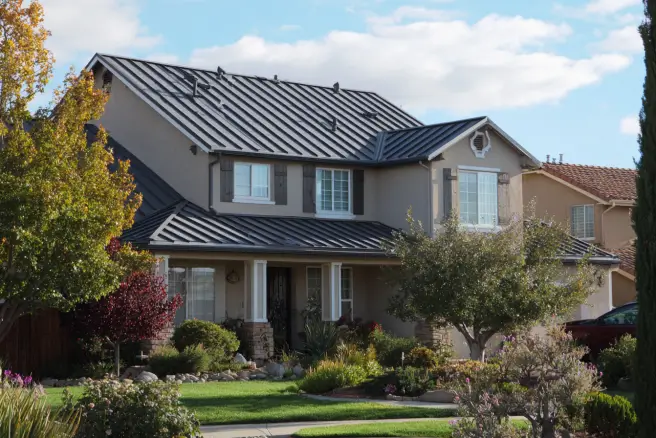
Discover the Pros, Cons, and Features of Hiring a Metal Roofing Contractor San Diego

Textured metal roofing tiles on a slope under a clear sky stock photo

Standing seam metal roofs are becoming an increasingly popular choice for both residential and commercial buildings due to their sleek design, durability, and energy efficiency. Below is a detailed breakdown of their advantages, disadvantages, and unique features.

Pros of Standing Seam Metal Roofs

  1. Resistant to harsh weather conditions such as heavy rain, snow, hail, and strong winds.
  2. Typically lasts 40–70 years with proper maintenance.
  3. Does not rot, warp, or crack like wood or asphalt shingles.
  4. Reduces cooling costs during warm months by lowering heat absorption.
  5. Requires minimal upkeep compared to other roofing materials like shingles or tiles.
  6. Standing seam designs minimize the risk of leaks since there are no exposed fasteners.
  7. Clean lines and modern appearance enhance the visual appeal of a property.
  8. Available in various colors and finishes to suit different architectural styles.
  9. Often made from recycled materials and can be fully recycled at the end of its lifespan.
  10. Contributes to sustainable building practices.
  11. Non-combustible material offers increased protection in areas prone to wildfires or high temperatures.

Cons of Standing Seam Metal Roofs

  1. Installation costs can be significantly higher than traditional shingle roofs due to material expense and specialized labor requirements.
  2. Can be noisier than other roofing materials; however, soundproofing underlayment can mitigate this issue.
  3. Unlike some roofing systems that allow for DIY fixes, standing seam roofs often necessitate professional assistance for repairs or modifications.

Unique Features of Standing Seam Metal Roofs

  • Hidden Fasteners System:Fasteners are concealed beneath interlocking panels rather than exposed on the surface like in other metal roof systems (e. g. , corrugated). This reduces the likelihood of water penetration and corrosion around fastener points.
  • Vertical Panel Design:Panels run vertically from the ridge down to the eaves with raised seams (or ribs) that lock tightly together for enhanced waterproofing.
  • Thermal Movement Accommodation:The standing seam design allows panels to expand and contract with temperature changes without affecting the roof structure or causing damage over time.
  • Customizable Options:Homeowners can choose from various panel widths, seam heights, paint finishes (e. g. , matte or glossy), and even specialty coatings designed for specific climates.
Feature Description
Hidden Fasteners Provides a seamless look while increasing weather resistance
Vertical Panel Design Contributes to better water shedding & aesthetic appeal
Thermal Expansion Capability Reduces wear caused by changing temperatures
Available Coatings & Colors Offers customization options tailored to both aesthetics & functionality

Understanding these aspects helps potential buyers weigh their decision when considering a standing seam metal roof as an investment in both functionality and style for their property. While it may come with higher upfront costs compared to asphalt shingles or corrugated options, its long-term benefits often outweigh initial expenses—making it an ideal choice for those seeking durability coupled with modern design elements.

Comparing Standing Seam and Corrugated Systems for San Diego Metal Roofing

When it comes to metal roofing, two of the most popular options homeowners and builders consider are standing seam and corrugated metal roofing systems. While both offer durability, energy efficiency, and aesthetic appeal, there are distinct differences between these two systems that make them suitable for different applications. Below is an analysis of their key distinctions.

Enhance the Design and Appearance of Your San Diego Standing Seam Metal Roof

  • Features long, smooth panels with vertical seams that rise above the panel surface.
  • Offers a clean, modern aesthetic.
  • Ideal for contemporary or high-end architectural designs.
  • Consists of repetitive ridges or “waves” in the metal panels.
  • Provides a more rustic or industrial look.
  • Often used for agricultural buildings, barns, or structures with a vintage style.

Installation Process

  • Seams are raised above the panel surface to prevent leaks.
  • Typically installed with hidden fasteners for a more seamless look.
  • Easier to install compared to standing seam systems.
  • Panels are secured in place with exposed fasteners, which can be more prone to wear over time.
  • Suitable for DIY projects where simplicity is key.

Durability and Lifespan

Feature Standing Seam Corrugated
Weather Resistance Excellent due to concealed fasteners and raised seams. Good but may have vulnerabilities at fastener points.
Lifespan (Approximate) 40–70 years 30–50 years
Maintenance Requirements Low Moderate due to fastener checks.

Energy Efficiency

Both options provide energy efficiency by reflecting solar heat and reducing cooling costs.

  • Standing seam systems often excel due to their ability to accommodate reflective coatings or solar panels seamlessly.
  • Corrugated roofs can still perform well but may not integrate advanced energy solutions as easily as standing seam roofs.

Cost Differences

  • Standing SeamIt is considered an investment for long-term performance and aesthetics.
  • Corrugated: More budget-friendly upfront; however, long-term costs may increase due to maintenance needs like replacing worn-out fasteners or addressing leaks.

Application Suitability

  • Best suited for residential homes, commercial buildings, or modern architecture projects requiring premium aesthetics.
  • Commonly used for agricultural buildings, sheds, garages, or projects where cost-efficiency matters more than appearance.
  • Ideal for regions with mild weather conditions since exposed fasteners can be less resilient under extreme conditions.

Choosing between standing seam and corrugated metal roofing ultimately depends on your specific needs—whether you’re prioritizing design appeal, budget constraints, durability requirements, or project type.

Durable corrugated metal tiles for roof protection stock photo

Comparing Standing Seam and Corrugated Metal Roofing Systems with a Metal Roofer in San Diego

When selecting a metal roofing system, it’s essential to understand the differences between standing seam and corrugated metal roofing. Both options offer durability, longevity, and aesthetic appeal, but their design and functionality vary significantly.

Design and Appearance

  1. Features long, vertical panels with raised seams or “ribs” that connect each panel.
  2. Provides a sleek, modern appearance suitable for contemporary or high-end architectural designs.
  3. Ribs are hidden fasteners, giving a clean and streamlined look.
  4. Characterized by repeating wave-like patterns or ridges across its panels.
  5. Offers a more traditional, rustic aesthetic commonly seen in barns, sheds, or industrial applications.
  6. Fasteners are typically exposed, which can create a less polished appearance.

Installation Process

Feature Standing Seam Metal Roof Corrugated Metal Roof
Fastening System Uses concealed clips or fasteners beneath the seams for attachment. Panels are attached using screws with visible washers.
Complexity of Installation Requires precise installation by experienced professionals due to its intricate design. Easier to install and often DIY-friendly for smaller projects.
Time Required Takes longer due to the more complex locking mechanisms for panels. Faster installation process because of simpler overlaps between panels.

Durability and Weather Resistance

  • Superior weather resistance due to concealed fasteners that eliminate entry points for water or debris.
  • Ideal for areas with heavy rain or snow as its vertical seams allow efficient water runoff.
  • The hidden fastening system reduces the risk of leaks over time.
  • Provides good durability but may be more prone to leaks over time due to exposed fasteners.
  • Less effective against extreme weather conditions unless properly maintained.
  • Suitable for climates with mild weather patterns.

Cost Considerations

  1. Corrugated Metal:Generally more budget-friendly because it uses less complex materials and requires less labor-intensive installation.
Factor Standing Seam Corrugated Metal
Material Cost High Low
Installation Cost High (requires expertise) Lower (simpler process)
Maintenance Needs Low Moderate (due to fasteners)

Applications

  • Standing Seam Metal Roofs:
    Best suited for residential homes, commercial buildings, or projects prioritizing aesthetics and longevity.
  • Corrugated Metal Roofs:
    Commonly used on agricultural structures like barns or on industrial buildings where cost efficiency is key.

Key Takeaways

  • Choose standing seam if you prioritize modern aesthetics, superior weather resistance, and long-term performance despite higher costs.
  • Opt for corrugated metal if you need an affordable solution with a traditional look that fits straightforward applications like sheds or barns.

Understanding your needs—whether aesthetic preferences, budget constraints, or climate considerations—will help guide your selection of the most appropriate roofing material system for your project needs.

Selecting the right type of metal roofing for your property involves evaluating several factors, including aesthetic appeal, durability, cost, and climate suitability. Here’s a detailed guide to help you make an informed decision.

Factors to Consider When Choosing Metal Roofing

  1. Material Options
    Metal roofing comes in various materials, each offering different benefits:
  2. Aluminum: Lightweight and naturally resistant to rust, making it ideal for coastal areas with salty air.
  3. ZincZinc also offers self-healing properties but requires more maintenance in humid climates.
  4. Roofing Styles
    Metal roofing is available in various profiles that cater to different architectural styles:
  5. Standing Seam PanelsA common choice for contemporary homes or commercial buildings.
  6. Corrugated Panels: Characterized by wave-like patterns that offer a rustic or industrial look.
  7. Flat Lock Panels: Often used on low-slope roofs, these panels interlock to create a smooth finish.
  8. Budget Constraints The cost of metal roofing varies depending on the material type, profile, installation complexity, and roof size: | Material | Average Cost Per Square Foot Installed ($) | |—————-|——————————————-| | Steel | $5–$12 | | Aluminum | $8–$15 | | Copper | $15–$25 | | Zinc | $12–$18 |
  9. Climate Suitability Choose material based on the environmental conditions your building is exposed to:
    • Hot climates may benefit from reflective coatings on steel or aluminum roofs to reduce cooling costs.
    • Coastal areas require corrosion-resistant options like aluminum and zinc.
    • Heavy snowfall regions may benefit from standing seam roofs due to their ability to shed snow easily.
  10. Longevity Expectations Different materials offer varying lifespans:
  11. Steel roofs can last 40–70 years with proper maintenance.
  12. Aluminum offers similar durability, often lasting 50+ years.
  13. Copper and zinc roofs can exceed 80 years when installed correctly.

Tips for Making the Final Decision

  • Consult with a professional roofer who specializes in metal installations—they can provide personalized recommendations based on local weather conditions and your building’s structure.
  • Request samples of different profiles and finishes to ensure they complement your home’s exterior design.
  • Compare warranties offered by manufacturers—higher-quality products often come with longer warranties.

By evaluating these factors carefully, you can select a metal roofing solution tailored to both functional needs and aesthetic preferences while ensuring long-term value for your investment.

Selecting the right type of metal roofing for your home or building involves careful consideration of various factors. Metal roofing is available in a variety of materials, styles, and finishes, each offering unique benefits. Below is a guide to help you make an informed decision.

The local climate plays a significant role in choosing an appropriate metal roof.

  • Aluminum: Highly resistant to corrosion, making it ideal for coastal areas with salty air.
  • Steel: Strong and durable but may require protective coatings for added rust resistance in humid or rainy regions.
  • Copper: Naturally resistant to weathering and suitable for areas with extreme temperature changes.
Material Average Lifespan Maintenance Requirements
Copper 60+ years Minimal; develops natural patina over time.
Steel 40-70 years Periodic inspection for rust or scratches; touch-up coatings may be needed.
Aluminum 50+ years Minimal; highly corrosion-resistant.
Zinc 80+ years Professional inspection recommended occasionally.

The appearance of your roof should complement your home’s architectural style while meeting your personal preferences.

  • Metal Shingles: Mimic traditional roofing materials like asphalt shingles while delivering the benefits of metal.
  • Corrugated Panels: Best suited for industrial or rural settings due to their rugged and functional look.
  • Custom Finishes & Colors: Many manufacturers offer customizable finishes, allowing you to match the roof with exterior paint colors or trim.
Material Approximate Cost per Square Foot (Installed) Key Advantages
Aluminum $8-$15 Lightweight, rust-resistance
Steel $7-$14 High strength-to-weight ratio
Copper $15-$30 Luxurious appearance, longevity
Zinc $10-$20 Eco-friendly, self-healing properties
  • Look for materials with high solar reflectance index (SRI) values.
  • Choose lighter colors or special coatings that enhance thermal performance.
  • Some regions may mandate certain materials based on fire safety regulations.
  • HOAs might impose restrictions on colors or styles in residential neighborhoods.

By carefully assessing these factors—climate suitability, design aesthetics, budget considerations, and regulatory requirements—you can choose the best metal roofing solution that aligns with both your needs and long-term expectations while enhancing the value of your building.


How to Install San Diego Metal Roofing with Standing Seam Panels Effectively

roof covered with metal tile stock photo

Tools and Materials Needed for Installation

Tools/Materials Purpose
Measuring tape Accurate measurements
Metal shears Cutting panels to size
Power drill Securing clips or mounts
Seam closing tool Locking panels into place
Roofing underlayment Added moisture barrier

Other essentials include safety gear such as gloves, goggles, and harnesses if working on steep slopes.

Step-by-Step Installation Process

  1. Begin by removing any old roofing material.
  2. Inspect the decking for damage; replace any compromised sections.
  3. Install a high-quality waterproof underlayment across the entire surface.
  4. Attach starter clips along the eaves to secure the first panel in place.
  5. Measure your roof dimensions carefully before cutting each panel to fit snugly across ridges or valleys.
  6. Position each panel vertically from eave to ridge.
  7. Use concealed clips to affix them securely without penetrating through visible surfaces.
  8. Utilize a seam closing tool or crimping device to lock adjacent panels together along their raised edges.
  9. Add trim pieces at edges and ridges for a polished look.
  10. Confirm all fasteners are secure and inspect for any gaps or potential leak points.

Tips for Effective Installation

  • Work during mild weather conditions when materials are easier to handle.
  • Always follow manufacturer instructions specific to your chosen material type.
  • Be mindful of safety precautions—especially when working at heights.

Comparing How Standing Seam Roofs from a Metal Roofing Company San Diego, CA Stack Up in Durability and Efficiency

Standing seam metal roofs have gained significant popularity due to their durability and energy efficiency, making them a sought-after choice for both residential and commercial applications.

Durability: A Long-Term Solution

Roofing Material Lifespan Resistance to Damage Maintenance Required
Standing Seam Metal 40-70+ years Excellent – resistant to rust, wind, and impact Minimal – periodic inspections
Asphalt Shingles 20-30 years Moderate – prone to cracking, curling, and wind damage High – frequent repairs needed
Clay Tiles 50-100 years Good – can crack under heavy impact Moderate – occasional tile replacement
Wood Shakes/Shingles 20-40 years Low – susceptible to rot, insects, and fire without treatment High – regular sealing required

Key Points on Durability: – Standing seam metal roofs are highly resistant to elements like high winds (up to 140 mph or more), hailstorms, fire, and heavy snow. – Unlike asphalt shingles or wood shakes, metal doesn’t crack or degrade easily over time. – With concealed fasteners that reduce exposure to water intrusion or UV degradation, standing seam systems remain structurally sound for decades.

Efficiency: Maximizing Energy Savings

Energy efficiency is a critical factor when choosing a roofing material.

  1. Standing seam panels typically come with reflective coatings (often called “cool roof” finishes) that deflect solar heat rather than absorbing it. This reduces cooling costs by up to 25% during warmer months.
  2. Asphalt shingles, on the other hand, absorb more heat due to their darker surfaces and lack of reflective properties.
  3. In urban areas where heat islands are common, metal roofing mitigates rising temperatures thanks to its energy-efficient design.
  4. Materials like asphalt exacerbate this issue by trapping heat.
  5. Standing seam systems allow for the addition of insulation layers beneath the panels without compromising aesthetics or functionality.
  6. Wood shakes may struggle with insulation upgrades due to their irregular shapes and installation methods.
  7. Metal roofs provide an ideal base for solar panel installation due to their long lifespan and sturdy construction.
  8. Asphalt shingles may require additional reinforcement before solar integration.

Why Choose Standing Seam Over Alternatives?

Key reasons include: – Extended lifespan reduces overall costs over time despite higher upfront investment. – Lower energy bills contribute significantly toward environmental sustainability and cost savings. – Improved resistance against weather extremes ensures peace of mind in various climates.

When choosing a roofing material, durability and efficiency are two critical factors to consider, especially for homeowners and business owners looking to make a long-term investment. Standing seam metal roofs are often praised for their performance in these areas, but how do they stack up against other common roofing materials such as asphalt shingles, clay tiles, or traditional wood shakes? Below is an in-depth comparison.

Durability: Metal Roofs vs.

  • Lifespan: Can last 40-70 years or more with proper maintenance.
  • Resistance: Highly resistant to cracking, shrinking, warping, and corrosion.
  • Weather Performance: Stands up well against extreme weather conditions such as heavy snow, hailstorms, high winds (up to 140 mph), and even fire.
  • Lifespan: Typically lasts 20-30 years on average.
  • Resistance: Prone to cracking and tearing over time; may require frequent repairs after severe weather events.
  • Weather Performance: Less effective under strong winds or hail damage compared to metal roofs.
  • Lifespan: Known for longevity (50+ years), provided there are no significant impacts that cause cracking.
  • Resistance: Susceptible to breaking due to heavy impact (e. g. , falling branches).
  • Weather Performance: Performs well in hot climates but may struggle in regions with freeze-thaw cycles.
  • Lifespan: Often lasts between 20-40 years but requires frequent maintenance.
  • Resistance: Vulnerable to rot, insect infestations, and weather-related wear-and-tear.
  • Weather Performance: Poor fire resistance unless treated with a fire-retardant coating.

Efficiency Comparison

Beyond durability, energy efficiency is an increasingly important consideration for property owners seeking sustainable solutions.

  • Reflectivity: Reflects solar heat effectively due to its smooth surface and often comes with reflective coatings or finishes that enhance energy efficiency.
  • Insulation Properties: Helps maintain consistent indoor temperatures by reducing heat absorption during summer months. May contribute to lower cooling costs by up to 25%.
  • Reflectivity & Insulation Properties: Asphalt absorbs more heat than metal, making it less efficient during summer months unless specially coated products are chosen.
  • Reflectivity & Insulation Properties: Performs well in hot climates due to its natural thermal resistance; however, it is heavier than most materials and may require structural reinforcement.
  • Reflectivity & Insulation Properties: Minimal thermal performance compared to modern materials; not an ideal choice for energy savings.
Material Average Lifespan Fire Resistance Energy Efficiency Maintenance Needs
Metal Roofing 40–70+ years High Excellent Low
Asphalt Shingles ~20–30 years Moderate Fair Moderate
Clay Tiles ~50+ years High Good Moderate-to-Low
Wood Shakes ~20–40 years Low Poor High

Its ability to withstand extreme conditions while reducing energy costs makes it particularly appealing for both residential and commercial properties seeking durable yet sustainable options.

While the initial investment in a standing seam system may be higher than alternatives like asphalt shingles or wood shakes, the long-term savings on repairs, replacements, and energy bills often justify the cost over time.

Top Reasons to Hire a Metal Roofer in San Diego for Your Roofing Replacement Project

When considering a roofing replacement project, selecting the right material is crucial. Here are some compelling reasons why a metal roof might be the ideal choice for your next project.

One of the standout qualities of metal roofs is their ability to withstand the test of time. This longevity makes them an excellent investment for homeowners and businesses.

  • Resistant to weather elements:Metal roofs can endure heavy rain, snow, hailstorms, and strong winds (up to 140 mph in some cases).
  • Fire-resistant:Most metal roofing materials are non-combustible and have Class A fire ratings.

Metal roofs reflect solar radiant heat rather than absorbing it, helping reduce cooling costs during hot seasons. Many systems can also be installed with insulation layers to improve energy efficiency further.

Feature Benefit
Reflective coatings Lowers air conditioning demands
Cool roofing technology Keeps interiors comfortable
Recycling capability Contributes to environmental health

Sustainability is becoming an essential factor in home improvement projects. Metal roofs are highly recyclable at the end of their lifespan—up to 100% in most cases—setting them apart from materials like asphalt shingles that often end up in landfills.

  • Made from recycled materials (depending on manufacturer)
  • Reduced environmental footprint due to longevity
  • Supports green building certifications such as LEED

Modern metal roofing systems offer a wide variety of styles and colors that suit both residential and commercial properties.

  • Available in sleek designs like standing seam panels or textured finishes resembling slate or tile.
  • Wide color ranges allow for customization that complements architectural styles.
  • Improved curb appeal adds property value over time.

While the upfront cost of installing a metal roof may be higher than traditional options like asphalt shingles, its long-term value is undeniable due to reduced maintenance costs, energy savings, and superior lifespan.

Category Asphalt Shingles Metal Roofs
Average Lifespan ~15–20 years ~40–70 years
Maintenance Costs High Low
Energy Savings Minimal Significant

Metal roofing is lighter than many other options such as tile or slate. This makes transportation easier and reduces stress on your property’s structural framework during installation.

Final Thoughts

For homeowners looking for a smart long-term investment or businesses aiming for resilience and reduced utility expenses, this type of roofing system provides exceptional benefits worth considering during your next replacement project.

Investing in a metal roof can provide decades of reliable performance while reducing long-term maintenance costs. Let’s dive into what makes metal roofs an excellent choice for homeowners and businesses seeking durable roofing solutions.

The new roof of red tiles. stock photo

Lifespan of Metal Roofs Compared to Other Materials

One of the standout features of metal roofs is their lifespan. When compared to traditional roofing materials such as asphalt shingles or wood, metal roofs outlast them significantly.

Roofing Material Average Lifespan Maintenance Requirements
Asphalt Shingles 20-30 years High (frequent repairs needed)
Wood Shakes 25-40 years Moderate (prone to rot and pests)
Clay Tiles 50+ years Moderate (fragile under impact)
Standing Seam Metal 50-70+ years Low (rust-resistant coatings)

Metal roofs often have warranties that reflect their durability, with many manufacturers offering coverage for up to 50 years or more.

Factors That Contribute to Longevity

  • Corrosion Resistance
    This minimizes rust and corrosion, even in harsh weather conditions.
  • Weather Resistance
    Metal roofing systems are designed to withstand extreme weather events, including heavy snow, hailstorms, intense winds, and UV exposure. Their ability to resist cracking and warping contributes significantly to their durability.
  • Fire Resistance
    This feature adds safety while enhancing the roof’s lifespan.

Environmental Benefits Supporting Durability

  • Recyclable Material: At the end of its life cycle, a metal roof can be fully recycled instead of ending up in landfills like asphalt shingles.
  • Cool Roof Technology: Many modern systems feature reflective coatings that reduce heat absorption. By lowering interior temperatures and energy consumption over time, these features help extend the overall lifespan of your property’s HVAC system as well.

Why a Long Lifespan is a Smart Investment

  1. Reduced Maintenance Costs
    Over time, traditional roofing materials may require frequent repairs or replacements due to wear and tear. With its robust construction and protective coating systems, a standing seam roof eliminates these recurring expenses.
  2. Improved Property Value
    Homes or businesses with durable roofing often attract higher resale values due to reduced future repair concerns for potential buyers.
  3. Energy Savings
    Energy-efficient coatings help reduce cooling costs in warmer months without compromising durability.

Investing in this type of roof means not only protecting your structure but also ensuring peace of mind for decades ahead.

Below is a comprehensive look at the key aspects that set them apart.

  1. Standing seam roofs are designed with vertical panels that interlock along their seams.
  2. This design minimizes water infiltration and enhances overall weather resistance.
  3. Unlike traditional metal roofs, fasteners in standing seam systems are hidden beneath the panels.
  4. This eliminates weak points where moisture can penetrate, offering greater durability and visual appeal.
  5. Common materials include galvanized steel, aluminum, copper, and zinc.
  6. Each material offers unique benefits such as corrosion resistance, lightweight properties, or a distinctive aesthetic.
  7. Modern finishes like Kynar 500 or polyester-based coatings improve resistance to fading and UV damage.
  8. These coatings come in various colors to suit architectural preferences.
  9. The panels are engineered to accommodate thermal expansion and contraction caused by temperature changes.
  10. This prevents warping or structural compromise over time.
  11. Many standing seam systems feature cool roof coatings that reflect sunlight.
  12. Improved energy efficiency can lower cooling costs and reduce environmental impact.
  1. Exceptional Durability
    | Feature | Benefit |
    |————————|——————————————-|
    | Corrosion Resistance | Withstands extreme weather conditions |
    | Longevity | Can last up to 50 years or more |
  2. Low Maintenance Requirements
    Minimal upkeep is needed thanks to:

    • Corrosion-resistant materials
    • Smooth surfaces that prevent debris accumulation
  3. Aesthetic Versatility
    Standing seam roofs complement modern architectural styles with their sleek profiles:

    • Vertical lines create a clean, contemporary appearance
    • Available in customizable colors for better alignment with design goals
  4. Enhanced Weather Protection
    The vertical seam design provides superior protection against:

    • Heavy rain
    • Snow sliding
    • High winds (often rated for winds up to 140 mph)
    • Made from recyclable materials
    • Reflective coatings reduce heat absorption
    • Long lifespan reduces waste associated with frequent replacements
  5. Compatibility with Solar PanelsMany standing seam systems allow for seamless integration with solar panel mounts without requiring additional drilling into the roof surface.

Why Choose a Modern Standing Seam Roof?

Whether you’re constructing a new building or replacing an existing roof, these innovative systems provide long-term value combined with cutting-edge design features.

This type of roofing system is known for its durability, aesthetics, and energy efficiency, but achieving these benefits depends heavily on the quality of the installation process. Here’s an overview of what homeowners and businesses can expect during the installation process.

1.Preparation and Inspection

  • Roof Evaluation
    A professional roofing contractor will assess the current condition of your roof to determine whether any repairs or reinforcements are needed before installation. This may include fixing structural damage or replacing rotted decking materials.
  • Material Selection
    Choosing the appropriate metal panels for your project is essential. Options include various colors, finishes, and gauges depending on your architectural style and climate needs.
  • Measurements
    Exact measurements are taken to ensure that every panel fits perfectly. Accuracy in measurement prevents material waste and ensures a seamless appearance.

2.Removal of Old Roofing (If Required)

  • Stripping off old shingles or other materials.
  • Inspecting underlayment and decking for damage.
  • Ensuring the structural integrity of the roof base.

If permitted by local building codes, some roofs may allow metal panels to be installed over existing shingles, which can reduce time and costs.

3.Installation of Underlayment

Type Benefits
Synthetic Underlayment Resists mold growth; tear-resistant
Self-Adhering Membranes Enhances waterproofing in problem areas (valleys, eaves)

This barrier helps protect the roof deck from moisture while promoting energy efficiency by reflecting heat away from the building.

4.Metal Panel Installation

  • Aligning panels vertically from ridge to eave with clean overlapping seams.
  • Using hidden fasteners for a sleek finish (a defining feature of standing seam systems).
  • Securing panels with clips that allow them to expand or contract due to temperature changes without warping or buckling.

Proper alignment ensures both functionality and visual appeal while maintaining water-tightness.

5.Flashing Installation

  • Ridge caps are added at peaks for ventilation.
  • Sidewall flashings protect where walls meet roofs.
  • Eave flashings prevent water from infiltrating edges.

Attention to detail during this phase helps extend the lifespan of your roof by minimizing potential entry points for water damage.

6.Final Inspections

  1. A comprehensive inspection ensures there are no loose fittings or gaps between seams.
  2. Fasteners are checked for proper tightening without over-compression.
  3. Drainage systems like gutters may also be assessed at this stage for compatibility with runoff patterns created by metal roofs.

The goal during this phase is ensuring long-term performance with minimal maintenance needs down the line.

Tips To Ensure a Smooth Installation Process

  • Hire certified contractors experienced specifically in metal roofing systems.
  • Verify warranties provided by manufacturers as well as installers for materials and workmanship.
  • Schedule installations during favorable weather conditions since rainy or icy periods can complicate work.

Investing in professional expertise combined with high-quality materials will maximize both short-term functionality & long-term value provided by your standing seam roof system.


The Evolution of Standing Seam Metal Roofing by a Trusted Metal Roofing Company San Diego, CA

Abstract Roof Texture stock photo

Standing seam metal roofing has a long and storied history, evolving through centuries to become one of the most durable and aesthetically pleasing roofing solutions. Its development reflects advancements in materials, engineering techniques, and architectural styles. Below is an exploration of its origins and how it has transformed over time.

The Early Origins of Metal Roofing

Metal roofing dates back thousands of years, with evidence suggesting that early civilizations used rudimentary forms of metal sheeting to protect structures. Copper was one of the first metals utilized due to its malleability and resistance to corrosion. Historical records indicate that ancient societies used metal for both functional and decorative purposes on roofs.

Several key features defined early metal roofing systems: – Durability: Metals like copper or lead could withstand harsh climates over long periods.
Malleability: Early metals were easily worked into sheets or tiles by artisans using basic tools. – Limited Availability: Due to the cost and production complexities, metal roofing was often reserved for temples, palaces, or other significant structures.

The Rise of Standing Seam Design

The standing seam system itself likely emerged during the 18th century as a practical way to improve both water resistance and structural integrity in metal roofs. Unlike overlapping tiles or shingles, standing seam roofs feature long continuous panels that are joined together with raised seams. These seams act as barriers against water infiltration while allowing for thermal expansion.

Key benefits introduced by this design included: – Superior Water Shedding: Raised seams guide water away effectively without penetrating the joint. – Minimized Maintenance: Fewer exposed fasteners meant reduced risk of leaks or material failure. – Aesthetic Appeal: Clean lines offered a modern look suitable for various architectural styles.

Influences from Industrialization

The Industrial Revolution heralded significant advancements in materials like galvanized steel and tinplate. These innovations made standing seam systems more accessible to broader audiences by reducing costs while maintaining quality standards.

By the late 19th century: – Galvanized steel panels became widely available due to mass production. – Bending machinery allowed for precise fabrication of long-standing seam panels. – Zinc-coated metals were developed, offering enhanced corrosion resistance.

These developments not only improved performance but also popularized standing seam designs in both residential and commercial applications.

Modern-Day Evolution

Today’s standing seam systems benefit from cutting-edge technology that ensures exceptional durability, energy efficiency, and customization options. Modern roofs are often crafted from advanced materials like aluminum or high-grade stainless steel coated with protective finishes designed to resist UV damage and weathering.

Features commonly found in contemporary standing seam systems include: – Hidden fastener systems for added durability. – Pre-painted finishes available in a wide array of colors. – Integration with solar panel mounting technologies for sustainable energy solutions.

Table: Timeline Highlights

Era Key Advancement Impact on Metal Roofing
Ancient Times Use of copper sheets Durable but limited application
18th Century Introduction of standing seams Revolutionized water drainage
Industrial Revolution Mass production of galvanized materials Improved affordability
20th Century Aluminum & stainless-steel advancements Increased lifespan
Present Day Solar-compatible panels & coatings Focus on sustainability

Standing seam metal roofing stands as a testament to centuries-long innovation in construction techniques. From humble beginnings using raw metals to today’s sophisticated systems tailored for energy efficiency and longevity, this form of roofing continues to adapt to meet modern challenges while honoring its rich heritage.

Discover How San Diego Metal Roofing Reflects Ancient Roman Techniques

The influence of ancient Roman engineering and architectural practices on modern construction methods is undeniable, with metal roofing being no exception. The Romans were pioneers in utilizing metal as a building material for both structural and decorative purposes, setting the stage for techniques that continue to inspire contemporary metal roofing systems.

Expert Metal Roofing Contractor San Diego: Modern Mastery Inspired by Ancient Techniques

  • Aqueducts and water systems: Lead sheets and pipes were utilized in aqueducts, demonstrating the Romans’ understanding of waterproofing properties.
  • Roofing on temples and public buildings: Copper was often employed to cover rooftops, providing weather resistance and aesthetic appeal.
  • Domes and vaults: Metal reinforcements were used in structures like the Pantheon’s dome to achieve unparalleled architectural stability.

This early experimentation with metals laid the groundwork for future innovations in roofing design.

Expert Techniques of a Metal Roofer in San Diego Inspired by Roman Practices

  1. The Romans developed methods of interlocking large sheets of metal for structural integrity and waterproofing.
  2. Today’s standing seam roofs replicate this concept through precisely engineered panels that lock together seamlessly.
  3. Lead sheets used by Romans in water transport systems exhibited excellent water-repellent characteristics.
  4. This understanding influenced modern approaches where metals like aluminum or galvalume are coated or treated to enhance weatherproof performance.
  5. The long-lasting nature of copper roofs on structures like basilicas inspired contemporary preferences for sustainable roofing materials such as zinc and steel alloys.

Exploring the Benefits of a San Diego Standing Seam Metal Roof

Aspect Ancient Roman Practices Modern Adaptations
Material Selection Copper, lead Aluminum, galvalume, stainless steel
Connection Technique Basic interlocking panels Advanced snap-lock or mechanical seams
Waterproofing Methods Overlapping layers Sealants, coatings, hidden fasteners
Aesthetic Integration Decorative yet practical designs Sleek profiles with customizable finishes

Lasting Influence on Modern Roofing Systems

  • Standing seam metal roofs have adapted Roman-inspired principles, ensuring durability while embracing contemporary aesthetics.
  • Materials now prioritize energy efficiency alongside structural performance—a consideration rooted partially in Rome’s pursuit of sustainability through long-lasting construction.

By reflecting on how ancient techniques inform modern innovations, it becomes clear that today’s advancements owe much to groundbreaking methods developed thousands of years ago.

The Role of Metal Roofing During the Middle Ages and Beyond

Metal roofing, while commonly associated with modern construction, has a rich history that dates back several centuries. During the Middle Ages, metal roofs began to gain popularity for their durability, aesthetic appeal, and resistance to weather conditions. This period marked a critical turning point in the evolution of roofing materials, as craftsmen sought solutions that were both functional and long-lasting.

The Use of Lead and Copper in Medieval Roofs

  • Lead Roofs: Lead was often used on cathedrals, churches, and other significant structures due to its ability to be easily shaped into intricate designs. Its heavy weight added stability to large buildings but required robust structural support.
  • Copper Roofs: Copper became a preferred choice due to its natural corrosion resistance. Over time, copper develops a patina — a greenish layer that not only enhances its visual appeal but also acts as a protective barrier.

An excellent example of copper roofing from this era is found in European architectural landmarks such as St. Mary’s Cathedral in Hildesheim, Germany.

Material Advantages Disadvantages
Lead Durable; easy to shape Heavy; expensive
Copper Corrosion-resistant; lightweight Requires skilled labor

Gothic Architecture’s Demand for Metal Roofing

The Gothic architectural movement (12th–16th centuries) heavily influenced metal roofing advancements. The intricate designs of Gothic cathedrals required materials like metal that could be molded into detailed patterns while providing long-term protection.

Key innovations during this time included:
– The use of metal tiles for steep-sloped roofs. – Techniques for fastening metals securely to wood or stone frameworks. – Decorative elements like finials made from cast metals.

Transition into Early Modern Europe

The Renaissance period brought technological advancements that further refined metal roofing techniques. Improved metallurgy processes allowed for thinner yet stronger sheets of metal. Additionally: – New sealing methods reduced leaks. – Tools such as shears improved precision in shaping panels or tiles.

Longevity Highlighted by Historical Structures

Many buildings erected during the Middle Ages featuring metal roofs are still intact today. For instance: – The Pantheon in Rome, originally covered with bronze tiles before being stripped during later invasions. – Chartres Cathedral in France, which showcases lead-covered spires still admired centuries later.

This historical legacy underscores how medieval innovation laid the foundation for modern-day standing seam systems by demonstrating durability under diverse climates across generations.

Advancements in Aluminum and Stainless Steel Metal Roofing from the Early 1900s

Metal roofing has undergone significant advancements, particularly with the development of aluminum and stainless steel options during the early 20th century. These materials revolutionized metal roofing, offering durability, cost-efficiency, and design flexibility that were previously unattainable with older materials like copper or lead. Below is a detailed exploration of how these advancements shaped the metal roofing industry.

The Introduction of Aluminum Roofing

  • Corrosion Resistance: Aluminum is highly resistant to rust and corrosion, making it well-suited for regions with high humidity or salt exposure, such as coastal areas.
  • Lightweight Composition: Its lightweight nature reduces the structural load on buildings, minimizing strain on walls and supports.
  • Recyclability: Aluminum is 100% recyclable without losing its structural integrity, offering a sustainable solution for construction projects.

The reflective properties of aluminum also contributed to energy efficiency by reducing heat absorption, paving the way for modern energy-conscious architectural designs.

roof covered with metal tile stock photo

The Rise of Stainless Steel in Metal Roofing

  • Strength and Durability: Stainless steel offered exceptional tensile strength and weather resistance.
  • Low Maintenance Requirements: Unlike some other types of metal roofs that required regular painting or treatment, stainless steel remained resilient with minimal upkeep.
  • Aesthetic Appeal: With its polished finish and versatility in design options (e.g., brushed or matte textures), stainless steel became popular in both industrial settings and high-end architectural projects.

Additionally, stainless steel’s ability to withstand extreme temperatures made it a preferred choice for various climates worldwide.

Technological Innovations Supporting These Materials

Technology/Innovation Impact on Metal Roofing
Roll Forming Machines Enabled seamless production of standing seam panels.
Electroplating Techniques Enhanced corrosion resistance through protective coatings.
Alloy Development Allowed customization of durability based on specific needs.

These innovations not only improved production efficiency but also enhanced product performance over time.

Applications Across Industries

  1. Lightweight yet durable roofs catered to a growing demand for long-lasting home solutions.
  2. Both materials provided strength for large-scale buildings without requiring excessive maintenance.
  3. Airports, train stations, and government facilities utilized metal roofing as it combined resilience with modern aesthetics.

Paving the Way for Modern Systems

The early 1900s laid the foundation for today’s advanced standing seam systems by introducing these innovative materials into widespread use. Both aluminum’s adaptability and stainless steel’s robustness set benchmarks that continue to influence contemporary designs in architecture globally. Their legacy remains integral as sustainable solutions gain increasing prominence within construction industries worldwide.

The Future Innovations Shaping Standing Seam Metal Roofing Systems

The metal roofing industry continues to evolve, driven by advancements in technology, sustainable practices, and the need for more efficient building materials. Standing seam metal roofing systems, in particular, have benefited from significant innovations that enhance their durability, energy efficiency, and overall functionality. Here’s an overview of current trends and potential future developments shaping metal roofing.

Smart Roofing Technology

Smart home technology is expanding into roofing systems, including standing seam metal roofs. Innovations such as embedded sensors and IoT (Internet of Things) integration are becoming more common. These advancements allow homeowners and facility managers to monitor roof performance in real-time.

  • Leak Detection Sensors: Sensors can detect moisture or water seepage early on, preventing costly damages.
  • Temperature Monitoring: Smart systems can track temperature variations on the roof surface to ensure optimal energy performance.
  • Storm Resistance Feedback: Alerts for structural strain during adverse weather conditions can promote timely repairs.

Enhanced Coating Technologies

One of the most promising areas of innovation in standing seam metal roofing lies within advanced coating solutions. These coatings improve energy efficiency while protecting the roof against environmental stressors.

  • Reflective Coatings: High-performance reflective paints reduce solar heat gain and lower cooling costs.
  • Self-Healing Finishes: New technologies are emerging where coatings can “heal” minor scratches or abrasions through thermal activation or chemical processes.
  • Corrosion Resistance Improvements: Enhanced materials extend the lifespan of roofs by offering better protection against rust and degradation.
Coating Type Key Benefits Typical Applications
Reflective Reduces energy costs Residential & commercial buildings
Self-healing Minimizes maintenance requirements Coastal & industrial environments
Corrosion-resistant Extends lifespan under harsh weather Cold climates or high-humidity regions

Integration with Renewable Energy Solutions

As sustainability becomes a major consideration in construction projects, standing seam metal roofs are increasingly paired with renewable energy technologies.

  • Solar Panel Integration: Standing seams provide a seamless framework for attaching photovoltaic (PV) panels without penetrating the roof surface.
  • Solar Thermal Systems: Metal roofs are an ideal base for solar thermal collectors used for heating applications.
  • Wind Turbines on Rooftops: Lightweight turbines designed for urban settings may become compatible with standing seam installations in years to come.

These integrations not only reduce dependency on non-renewable resources but also enhance property value by lowering long-term energy expenses.

Improved Installation Techniques

  • Snap-Lock Panels: Modern locking mechanisms ensure secure panel placement without requiring additional fasteners.
  • Pre-Cut Custom Panels: CNC (computer numerical control) machinery allows manufacturers to offer pre-sized panels tailored to specific projects.
  • Lightweight Underlayments: New underlayment materials simplify handling during installation while improving insulation properties.

Future Materials for Durability & Sustainability

  1. Recycled Aluminum Alloys – Utilizing post-consumer waste metals reduces environmental impact without compromising strength.
  2. Graphene-Coated Steel – Offering superior corrosion resistance and unparalleled durability compared to traditional steel options.
  3. Bio-Based Protective Finishes – Eco-friendly alternatives derived from natural materials could replace petroleum-based coatings over time.

Final Thoughts

As technology progresses, standing seam metal roofing systems will continue to set benchmarks in innovation across residential, commercial, and industrial sectors. From smart monitoring capabilities to environmentally friendly materials, these changes will further enhance their status as one of the most reliable and forward-thinking solutions for modern construction needs.

Why WoodCraft is the Superior Long-Term Solution Compared to Other Metal Roof Alternatives

When it comes to selecting a roofing system, homeowners and builders are faced with numerous materials to choose from. Among these options, WoodCraft has emerged as a robust and reliable long-term solution that outperforms other metal roof alternatives. Below, we delve into the key reasons why WoodCraft stands out in terms of durability, energy efficiency, environmental impact, and overall value.

1. Superior Durability and Longevity

  • Corrosion Resistance: Unlike traditional galvanized steel roofs, WoodCraft incorporates advanced coatings that resist rust and corrosion even in coastal or high-humidity environments.
  • Weather Adaptability: The material maintains structural integrity across extreme temperatures, from freezing winters to scorching summers.
  • Impact Resistance: With reinforced panels designed to withstand hailstorms and debris impact, WoodCraft reduces the likelihood of costly repairs.

2. Energy Efficiency Benefits

  • Reflective Coatings: Its high-performance reflective coatings reduce heat absorption, keeping homes cooler during hot weather.
  • Reduced HVAC Costs: Studies indicate homeowners save up to 25% on energy bills annually by installing energy-efficient roofs like WoodCraft.
Feature Traditional Metal Roofing WoodCraft Metal Roofing
Solar Reflectivity Moderate High
Insulation Compatibility Limited Excellent
Annual Energy Savings 10-15% 20-25%

3. Sustainability and Environmental Impact

  • Recyclable Materials: While all metal roofs are recyclable at the end of their lifespan, WoodCraft uses higher percentages of post-consumer recycled content during production.
  • Reduced Carbon Footprint: The lightweight nature of this roofing material minimizes transportation emissions compared to heavier alternatives like clay tiles.

Additionally, for environmentally conscious consumers interested in reducing waste over decades, the durability of WoodCraft minimizes the need for frequent replacements.

4. Aesthetic Versatility

  • Available in multiple colors and finishes designed to mimic traditional aesthetics or complement modern designs.
  • Option for standing seam configurations or textured patterns ensures design flexibility.

This versatility makes it suitable for residential homes as well as commercial buildings looking for both functionality and visual appeal.

5. Cost Efficiency Over Time

  • Lower repair rates due to superior materials and construction techniques.
  • Average lifespan exceeding 50 years with minimal upkeep required.

By calculating the cost per year over its service life compared with replacement-heavy options such as asphalt shingles or lower-quality metal roofs, it becomes evident why WoodCraft represents outstanding value.

In summary, WoodCraft establishes itself as a superior long-term solution compared to other metal roofing alternatives by combining exceptional durability with energy efficiency, sustainability practices, aesthetic versatility, and overall cost-effectiveness over time. For those seeking an investment-worthy roofing system that delivers consistent performance regardless of environmental challenges or design requirements, this option is worth serious consideration.


A Homeowner’s Comprehensive Guide to Choosing the Perfect Metal Roofing Company San Diego, CA

A building contractor is cutting lightweight metal, steel, corrugated, paint coated roofing sheet with an electric angle grinder laying profile sheet on the ground across padded support. A building contractor is cutting lightweight metal, steel, corrugated, paint coated roofing sheet with an electric angle grinder laying profile sheet on the ground across padded support. house with seam metal roof stock pictures, royalty-free photos & images

Choosing the right metal roof for your home can be a transformative decision, providing a blend of durability, energy efficiency, and aesthetic appeal. However, with numerous options available on the market, navigating this process may feel overwhelming. This guide will help you make an informed decision by considering key factors that align with your needs and preferences.

Benefits of Metal Roofing for Homeowners

  • Longevity: Metal roofs can last 40-70 years, depending on the material used.
  • Durability: They withstand harsh weather conditions, including heavy rain, snow, and strong winds.
  • Energy Efficiency: Metal reflects solar heat, potentially reducing cooling costs by up to 25%.
  • Low Maintenance: Unlike asphalt shingles that require regular upkeep or replacement, metal roofs need minimal maintenance.
  • Aesthetic Flexibility: Available in various colors and finishes to complement different architectural styles.
  • Eco-Friendly: Often made from recycled materials and are fully recyclable at the end of their life cycle.

Key Factors to Consider When Choosing a Metal Roof

  1. In regions prone to heavy snowfall or rain, standing seam metal roofs may be ideal due to their superior drainage capabilities.
  2. For areas with intense sunlight or heatwaves, opt for reflective coatings or lighter-colored panels to improve energy efficiency.
  3. While metal roofing has a higher upfront cost compared to asphalt shingles, its long-term benefits often outweigh initial expenses. Consider material types (e.g., aluminum vs. steel) based on both quality and budget limitations.
  4. Material Selection Different metals come with unique characteristics: | Material | Benefits | Drawbacks | |—————–|————————————-|————————————–| | Steel | Affordable & strong | Susceptible to corrosion if untreated| | Aluminum | Lightweight & rust-resistant | Higher cost than steel | | Copper | Long-lasting & visually appealing | Expensive | | Zinc | Highly durable & eco-friendly | Develops patina over time |
  5. Choose colors that align with your home’s exterior design while considering local climate (lighter hues for heat reflection).
  6. Evaluate profiles like corrugated panels or standing seams based on visual preferences.
  7. Roof Pitch Compatibility Ensure your selected profile matches your roof pitch for optimal water runoff and performance.
  8. Environmental Impact Select materials made from recycled content whenever possible and seek out manufacturers who prioritize sustainable practices.

Questions Homeowners Should Ask When Choosing

  • What type of warranty does this product offer?
  • Is there proper ventilation in place beneath the roofing system?
  • Does this material meet local building codes?
  • Will it add resale value to my property?

By carefully assessing these factors and educating yourself about available options, you’ll be better prepared to choose a metal roof that meets both functional requirements and design aspirations without overspending or compromising durability.

Step-by-Step Guide to Assess Your Needs for San Diego Metal Roofing

Selecting a metal roof for your home requires careful evaluation of your specific needs and circumstances. By following these step-by-step instructions, you can ensure that the decision aligns with your budget, climate, structural requirements, and aesthetic preferences.

Choosing the Right Metal Roofing Contractor San Diego Based on Your Climate and Weather Conditions

  • Rainfall or Snowfall: For areas with heavy precipitation, opt for profiles with high water-shedding capabilities like standing seam panels.
  • Extreme Temperatures: Metal roofs with reflective coatings or cool-roof technology minimize heat absorption in hot climates.
  • Wind Resistance: Look for systems rated for high winds if you live in hurricane-prone regions.
  • Corrosion Concerns: Homes near coastal areas should prioritize materials like aluminum or zinc due to their corrosion resistance.

Determine Your Budget with a Metal Roofer in San Diego

Material Price Range (Per Sq Ft) Durability Aesthetic Options
Steel $5–$12 High Wide range of colors
Aluminum $9–$16 Excellent (Corrosion-resistant) Limited but modern looks
Copper $15–$30 Exceptional (Over 100 years) Rustic/Timeless Appearance
Zinc $13–$25 Exceptional Unique patina over time

Evaluate both upfront installation costs and long-term savings through energy efficiency and durability when budgeting.

Consider Structural Factors for Your San Diego Standing Seam Metal Roof

  • Roof Slope: Some profiles work better on steep slopes (e.g., standing seam), while others are suitable for low-pitched roofs (e.g., corrugated panels). Ensure compatibility.
  • Load-Bearing Capacity: Consult a roofing professional to confirm that your structure can handle the weight of specific metals like copper or steel.
  • Existing Substrate Condition: If replacing an old roof, inspect the underlying substrate for damage or necessary repairs before installation.

Identify Design and Style Preferences

  • Choose based on architectural style—standing seam may suit modern homes while shingles mimic traditional tile looks.
  • Match color options to complement your siding or neighborhood guidelines.
  • Explore textured finishes if you want to reduce glare or achieve a matte appearance.

Understand Maintenance Requirements

  • Periodic cleaning of debris from gutters (especially if trees overhang).
  • Occasional inspections of fasteners or sealants for wear over time.

By following these clear steps when assessing your needs, you’ll position yourself well to choose the ideal type of metal roofing system without unnecessary complications later on during installation or use.

Understanding Different Metal Roof Profiles and Their Unique Benefits

When considering a metal roof for your home, one of the most important factors is selecting the right profile. Metal roof profiles refer to the shape, design, and structure of the panels or sheets used in roofing. Each profile offers distinct aesthetic advantages, structural benefits, and functional qualities. Here’s a breakdown of some common metal roof profiles and their unique benefits.

1. Standing Seam Metal Roof

Standing seam is one of the most popular choices for residential and commercial buildings due to its sleek appearance and durability.

Key Features: – Panels are vertically oriented with raised seams that interlock. – Fasteners are concealed beneath the seams for a clean look.

Benefits: – Superior weather resistance due to raised seams that prevent water infiltration. – Low maintenance because there are no exposed screws that could loosen over time. – A modern aesthetic that pairs well with contemporary architecture.

2. Corrugated Metal Roof

Corrugated metal roofs feature wavy or ridged patterns across their surface, making them highly recognizable.

Key Features: – Traditional ribbed design made from galvanized steel or aluminum. – Typically lightweight yet strong.

Benefits: – Excellent durability thanks to its repetitive corrugated shape, which provides added strength against impacts. – Cost-effective compared to other profiles, making it ideal for budget-conscious homeowners. – Outstanding water drainage capabilities due to its ridged surface.

3. Metal Shingles

Metal shingles mimic traditional roofing materials like asphalt shingles, slate, or even wood shakes while providing superior durability.

Key Features: – Available in various textures and finishes for a natural look. – Often coated with protective layers for enhanced resistance to weathering.

Benefits: – Highly versatile in terms of aesthetics—perfect for homeowners seeking a classic look without sacrificing performance. – Long lifespan compared to traditional materials like asphalt shingles. – Lightweight yet robust enough to withstand extreme weather conditions such as hail or heavy snow.

4. Tile-Look Metal Roofing

Tile-look metal roofing replicates the appearance of clay or concrete tiles while incorporating all the practical advantages of metal.

Key Features: – Panels resemble traditional tiles but are made from lightweight metals like steel or aluminum. – Often pre-coated for UV protection and corrosion resistance.

Benefits: – Provides timeless architectural appeal without adding significant weight to your roof structure. – Durable enough to resist cracking or breaking often associated with real ceramic tiles.

Comparison Table of Common Metal Roof Profiles

Profile Type Durability Aesthetic Appeal Cost Maintenance Level
Standing Seam High Modern Higher Low
Corrugated High Traditional/Industrial Lower Low
Metal Shingles High Classic/Versatile Moderate Low
Tile-Look High Mediterranean/Timeless Higher Low

Choosing the Right Profile for Your Home

Selecting the best profile depends on several factors: 1. Architectural Style: Match your roof profile with your home’s overall design—for example, standing seam works well with modern styles, while tile-look suits Mediterranean-inspired homes. 2. Climate: Consider your local climate conditions when choosing a profile. For instance: – In areas prone to heavy rain or snow, standing seam excels at preventing leaks through its interlocking seams. – In regions with high winds, corrugated panels provide added strength due to their reinforced ridges. 3. Budget: While some profiles come with higher upfront costs (e.g., standing seam), they offer long-term savings due to reduced maintenance needs and greater longevity.

By carefully evaluating these factors alongside your personal preferences, you can ensure an optimal choice when selecting your perfect metal roof profile.

How to Choose the Right Gauge for Your Metal Roofing Project

Selecting the proper gauge for your metal roofing project is one of the most critical decisions homeowners and contractors must make. The gauge, or thickness, of metal roofing panels directly impacts their durability, performance, and cost. This guide will help you understand the factors to consider when choosing the right gauge for your needs.

Understanding Metal Roof Gauges

Gauge Thickness (inches) Common Applications
1 0.0313 Industrial buildings with high durability needs
2 0.0250 Residential roofs in harsh weather regions
3 0.0187 Cost-effective option for most residential projects
4 0.0141 Light-duty projects like sheds or barns

Factors to Consider When Choosing a Gauge

  1. Climate and Weather Conditions
    Different climates require different levels of protection:
  2. In areas prone to heavy snow or hailstorms, thicker gauges (22 or 24) are recommended due to their ability to resist impact and weight.
  3. For moderate climates without extreme weather conditions, a thinner panel such as 26 or even 29 gauge might suffice.
  4. Budget Constraints
    Thicker panels cost more because they use additional material and generally involve higher production costs. If you’re working with a tight budget, balancing affordability with durability is key.
  5. Roof Design and Complexity
    The design of your roof plays a role in determining the appropriate gauge:
  6. Complex roof designs with many slopes or intricate details may benefit from thinner sheets (e.g., 26 or 29 gauge) as they are easier to work with.
  7. Simple roof structures can be fitted with thicker materials if durability is prioritized.
  8. Desired Longevity
    Thicker panels generally last longer because they are less prone to wear and tear over time:
  9. Lower-gauge metals like 22 or 24 can offer decades of reliable performance.
  10. Higher gauges like 29 might require more frequent maintenance in areas exposed to tough conditions.

Pros and Cons of Different Gauges

Gauge Type Pros Cons
Lower Gauge (Thicker) Increased durability; better for harsh weather Higher cost; heavier material
Higher Gauge (Thinner) More affordable; lighter weight Lesser resistance to impact in extreme weather

Key Recommendations

  • If you live in an area with severe weather (e.g., hurricanes, heavy snow loads), investing in a thicker panel such as a 22-24 gauge is advisable.
  • Homeowners prioritizing affordability over extreme durability may opt for materials in the range of 26-29 gauge.
  • Always consult with roofing professionals who can assess local regulations, climate considerations, and structural requirements before finalizing your decision.

Choosing the right metal roofing gauge ensures not just functionality but also long-term value for your investment by matching it appropriately to climate demands and budget constraints.

By carefully evaluating these factors alongside professional guidance, you’ll make an informed choice that aligns with both your roofing needs and long-term expectations.

House with a gray metal roof close up House with a gray metal roof close up house with seam metal roof stock pictures, royalty-free photos & images

Evaluating Metal Quality: What Every Homeowner Should Know About Metal Roof Materials

Choosing the right metal roof for your home involves more than selecting a style or color. One of the most critical factors is ensuring that the quality of the metal roofing materials meets your needs for durability, performance, and longevity. Below are key considerations every homeowner should evaluate when assessing metal quality.

Essential Factors to Evaluate

  1. Metal Type
    Different types of metals are commonly used in roofing applications, each with distinct qualities:
  2. Steel: Durable, cost-effective, and often coated with zinc (galvanized) or aluminum (galvalume) for corrosion resistance.
  3. Aluminum: Lightweight and naturally resistant to rust, making it ideal for coastal areas with exposure to saltwater.
  4. Copper: A premium option known for its longevity and patina that develops over time, though it is more expensive than other metals.
  5. Zinc: Highly sustainable and long-lasting but requires proper maintenance to avoid staining over time.
  6. Coatings and Finishes
    Metal roofing materials are often treated with coatings or paints to enhance their resistance to weathering and improve aesthetics:
  7. Galvanized Coating: Offers a protective layer against corrosion by bonding zinc to steel.
  8. Kynar 500®/PVDF Paint Systems: Known for their excellent color retention and UV resistance.
  9. Acrylic Coatings: Often used as an economical option but may not offer the same longevity as PVDF finishes.
  10. Metal Thickness (Gauge)
    Metal thickness is measured in gauge numbers—the lower the number, the thicker the metal:
Gauge Number Approximate Thickness (inches) Applications
1 0.0299 Heavy-duty applications, increased durability
2 0.0239 Commonly used in residential projects
3 0.0179 Lightweight yet sufficient for most homes

  1. Corrosion Resistance
    Corrosion can significantly impact a roof’s lifespan if not addressed properly:
  2. Consider metals like aluminum or zinc-coated steel for areas prone to high humidity.
  3. Look for warranties that specifically include coverage against rust damage.

Testing Certifications To Look For

When evaluating products, check whether they adhere to recognized standards such as: – ASTM International standards (e.g., ASTM A653/A653M for galvanized steel). – Energy Star certification if energy efficiency is important. – UL 2218 Class Rating — particularly Class IV — which indicates resistance to hail damage.

Environmental Impact

Sustainability-conscious homeowners should also consider recycled content in their chosen material: – Many metal roofs use up to 35–95% recycled content. – At the end of its life cycle, a metal roof is fully recyclable.

By carefully examining these aspects of metal quality before installation begins, homeowners can ensure they select materials that balance aesthetics, performance requirements, and budget constraints effectively while maximizing long-term value from their investment.

The Importance of Confirming Installation Standards for Your Metal Roof

Ensuring proper installation standards for your metal roof is one of the most critical steps in the roofing process. While metal roofs are known for their durability and longevity, improper installation can compromise these benefits, leaving homeowners with potential issues such as leaks, structural damage, or reduced energy efficiency. Below, we outline key factors to consider when confirming installation standards.

Why Installation Standards Matter

  • Durability: A roof installed incorrectly may be more vulnerable to weather-related damage, including strong winds or heavy snow.
  • Energy Efficiency: Misaligned panels or poorly sealed seams can result in heat loss during winter and higher cooling costs in summer.
  • Warranty Compliance: Many manufacturers require proof of professional installation that meets specific guidelines to ensure warranty validity.

Key Elements of Installation Standards

  1. Use corrosion-resistant fasteners designed specifically for metal roofs (e.g., stainless steel screws with neoprene washers).
  2. Ensure fasteners are installed at appropriate intervals based on the panel type and manufacturer recommendations.
  3. Select high-quality underlayment materials such as synthetic waterproof membranes or self-adhering ice and water shields for added protection against moisture infiltration.
  4. Verify that the underlayment is laid uniformly with proper overlaps to prevent gaps where water can seep through.
  5. Panels should be aligned precisely to maintain aesthetic consistency and structural integrity.
  6. Overlapping should follow manufacturer guidelines to minimize potential water infiltration at seams.
  7. Sealants should be applied correctly at all joints, penetrations (like vents), and flashing areas.
  8. Flashings must be installed properly around chimneys, skylights, ridges, valleys, and edges to ensure watertight performance.

Choosing Qualified Installers

Question Why It Matters
Are you certified by leading manufacturers? Certification indicates familiarity with brand-specific installations that comply with warranty requirements.
Do you provide references? Past projects highlight expertise and customer satisfaction levels.
What warranties do you offer on both materials and workmanship? Comprehensive warranties reflect confidence in service quality.

Inspection Post-Installation

Once the roof is installed, conduct a thorough inspection or hire a third-party inspector specializing in roofing systems to evaluate workmanship against industry standards or manufacturer specifications.

By confirming proper installation practices upfront—and choosing skilled professionals—you protect your investment while ensuring long-term performance benefits of your metal roofing system.

Residential Metal Roofing Checklist: Key Factors to Consider Before Installation

When it comes to installing a metal roof, planning is crucial to ensure a durable, functional, and aesthetic result. A thorough checklist can help homeowners address critical elements before embarking on their roofing project. Below is a comprehensive list of key factors to consider before installation begins.

1. Assess Your Home’s Structural Integrity

Before installing a metal roof, it’s important to evaluate if your home’s structure is capable of supporting the weight and design of the roofing material. While metal roofs are lighter than many traditional roofing materials like tile or slate, factors such as slope, load-bearing capacity, and framing need to be checked by a professional.

Key considerations:
Roof slope: Ensure your roof meets the minimum slope requirement for the selected roofing profile. – Framing: Inspect rafters and trusses for structural soundness. – Underlayment: Confirm compatibility of underlayment with specific metal panels.

2. Choose the Correct Roofing Profile

Metal roofs come in various profiles including standing seam, corrugated panels, or shingles. Each offers unique benefits in terms of appearance and performance based on your climate and aesthetic preferences.

Popular profiles include:
| Profile Type | Benefits | Best Suited For |
|———————|——————————————–|—————————————|
| Standing Seam | Sleek appearance; excellent durability | Modern homes; snow-prone regions |
| Corrugated Panels | Budget-friendly; rustic look | Barns, farmhouses |
| Metal Shingles | Mimics classic tile or slate aesthetics | Traditional homes; high-end finishes |

3. Select Weather-Resistant Coatings and Finishes

Metal roofs are available with different coatings that enhance durability, reflectivity, and protection against corrosion. Choosing the right finish can significantly extend your roof’s lifespan while improving energy efficiency.

Options for coatings:
Galvanized steel: Coated with zinc for rust prevention. – Galvalume steel: Aluminum-zinc alloy for superior corrosion resistance. – Paint finishes: Opt for PVDF (polyvinylidene fluoride) coatings for UV resistance and long-lasting color.

4. Verify Local Building Codes and Permits

Every region has its own building codes regarding roofing materials and installation practices. Confirm that your new metal roof complies with local requirements to avoid potential fines or complications down the road.

Important steps: – Contact local authorities to understand zoning regulations. – Check wind uplift ratings specific to your area. – Secure necessary permits before beginning work.

5. Factor in Ventilation Needs

Proper ventilation not only maintains indoor comfort but also prevents moisture buildup beneath the roofing system which could lead to mold growth or structural damage over time.

Key elements for ventilation: – Ridge vents – Soffit vents – Gable vents

A well-designed ventilation system ensures optimal airflow in both summer heat and winter conditions.

6. Budgeting for Long-Term Value

While metal roofs often have a higher upfront cost than asphalt shingles, they provide long-term savings due to minimal maintenance requirements and exceptional longevity (often lasting 40–70 years). Evaluate both short-term expenses and lifetime value when planning your budget.

Factors affecting cost: – Material type (aluminum vs steel vs copper) – Installation complexity – Additional accessories such as snow guards or gutter systems

7. Confirm Warranty Details

Warranties for metal roofs vary greatly depending on manufacturer specifications and installer guarantees. Review these details carefully so you understand what is covered over time.

Checklist of warranty types: – Paint finish warranties (20–40 years common) – Panel integrity warranties (upwards of 50 years) – Workmanship warranties provided by installers

By addressing each item on this checklist thoughtfully, homeowners can embark on their residential metal roofing project with confidence that they’ve made informed decisions tailored to their specific needs.

Final Considerations When Deciding on a Durable and Stylish Metal Roof

When selecting a durable and stylish metal roof for your home, it’s essential to weigh several critical factors. A metal roof is an investment that offers longevity, energy efficiency, and aesthetic appeal. Below are some key considerations to ensure you make the right decision for your property.

1. Assess Long-Term Durability

  • Heavy Rain and Snow: Properly installed metal panels promote snow-shedding and resist water penetration.
  • Wind Resistance: Depending on the system you choose, most metal roofs can endure winds up to 140 mph or more.
  • Corrosion Prevention: Coatings like galvanized steel, aluminum, or zinc-aluminum alloys (such as Galvalume®) help prevent rust and extend the lifespan of the roof.

When comparing options, look for warranties offered by manufacturers as they often reflect confidence in the product’s durability.

2. Match Aesthetics with Home Architecture

  • Standing Seam Panels: Sleek lines perfect for modern homes.
  • Metal Shingles: Mimic traditional asphalt shingles while offering superior performance over time.
  • Corrugated Panels: Ideal for rustic or industrial-style homes.

Choosing a color coated with UV-resistant paint ensures that your roof maintains its vibrant appearance over decades.

Type of Metal Roofing Best For Key Strengths
Standing Seam Modern designs Clean aesthetics & minimal maintenance
Metal Shingles Traditional homes Offers classic visuals with added durability
Corrugated Panels Rustic barns or contemporary styles Cost-effective option with versatile looks

Keep in mind any restrictions set by neighborhood covenants or HOA guidelines when deciding on design elements like color and profile.

3. Energy Efficiency Benefits

  • Cool Roof Technology: Reflective coatings reduce heat absorption and lower cooling costs during summer months.
  • Insulation Compatibility: Metal roofs pair well with high-quality insulation systems to improve energy retention during winter.

By reducing energy loss year-round, these benefits contribute to monthly savings on utility bills while keeping your home comfortable.

4. Evaluate Maintenance Requirements

  • Regularly inspect fasteners, flashing points around chimneys or vents.
  • Clean debris from gutters or valleys that could trap moisture.

If properly maintained every few years along w/ professional inspections optional adjustments, its performance stays high.